

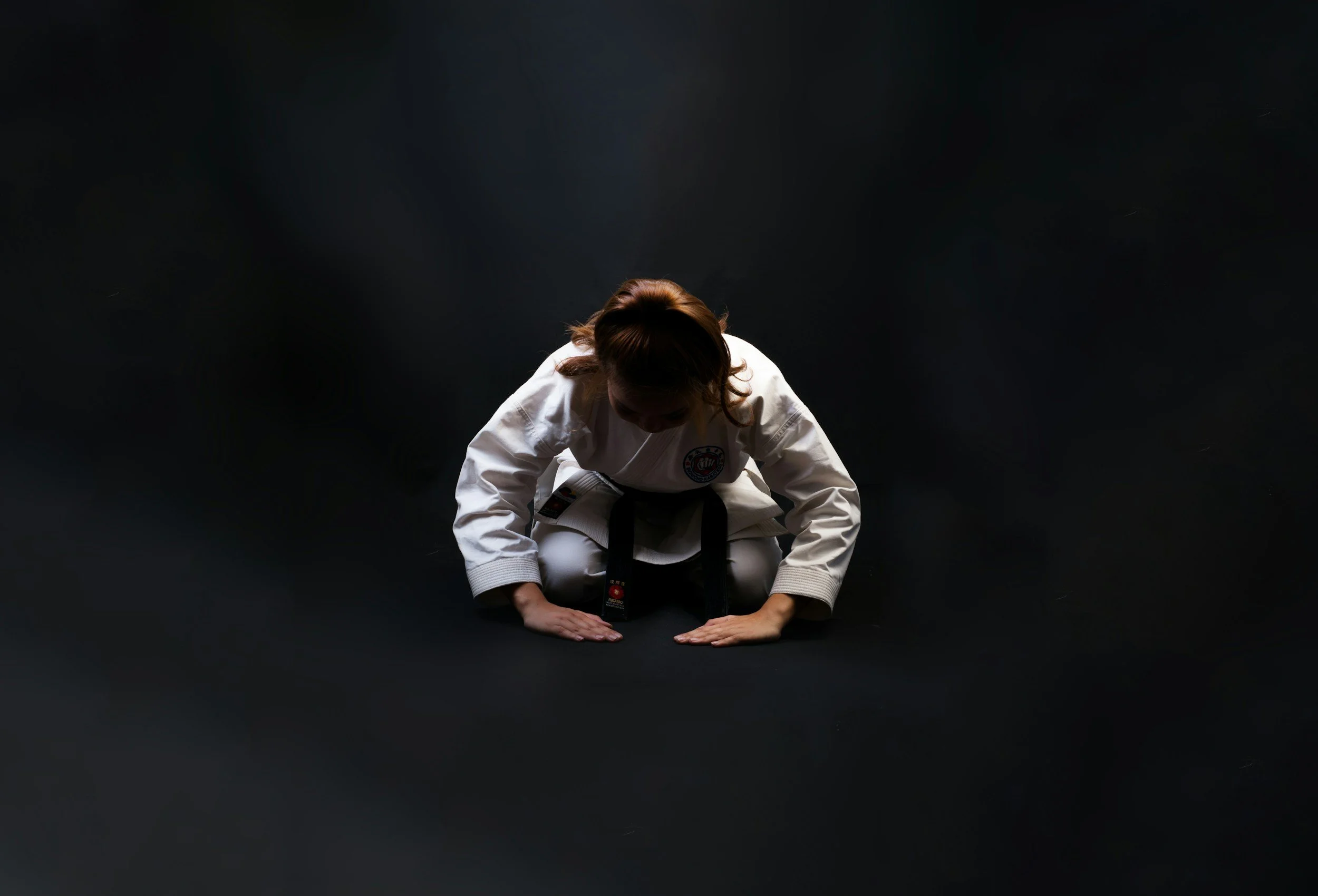
All about Kobudo
Supplement your karate training with the practice of Okinawan kobudo. Intermediate level students enrolled in the program are educated on how to “extend” their life force and energy into an implement beyond their hands and feet with a series of staffs, single and dual handed weapons, and how these implements developed into tools of self defense in the ancient world.
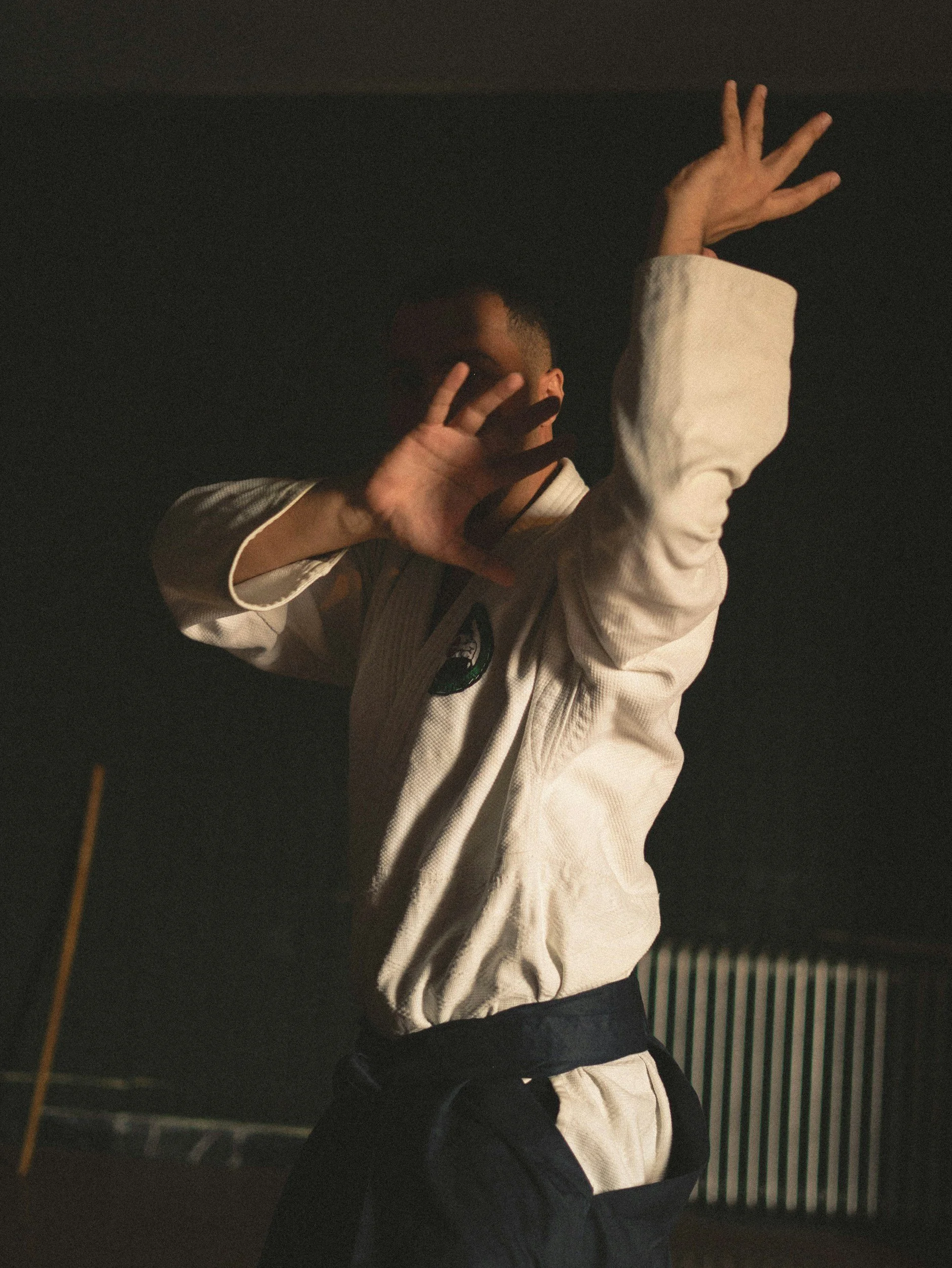
What is Kobudo
Kobudo is a “catch all” phrase relating to ancient martial arts, and strategies the ancient people of Japan used to train, farm, and defend their life and property in feudal Japan.
in our program this includes:
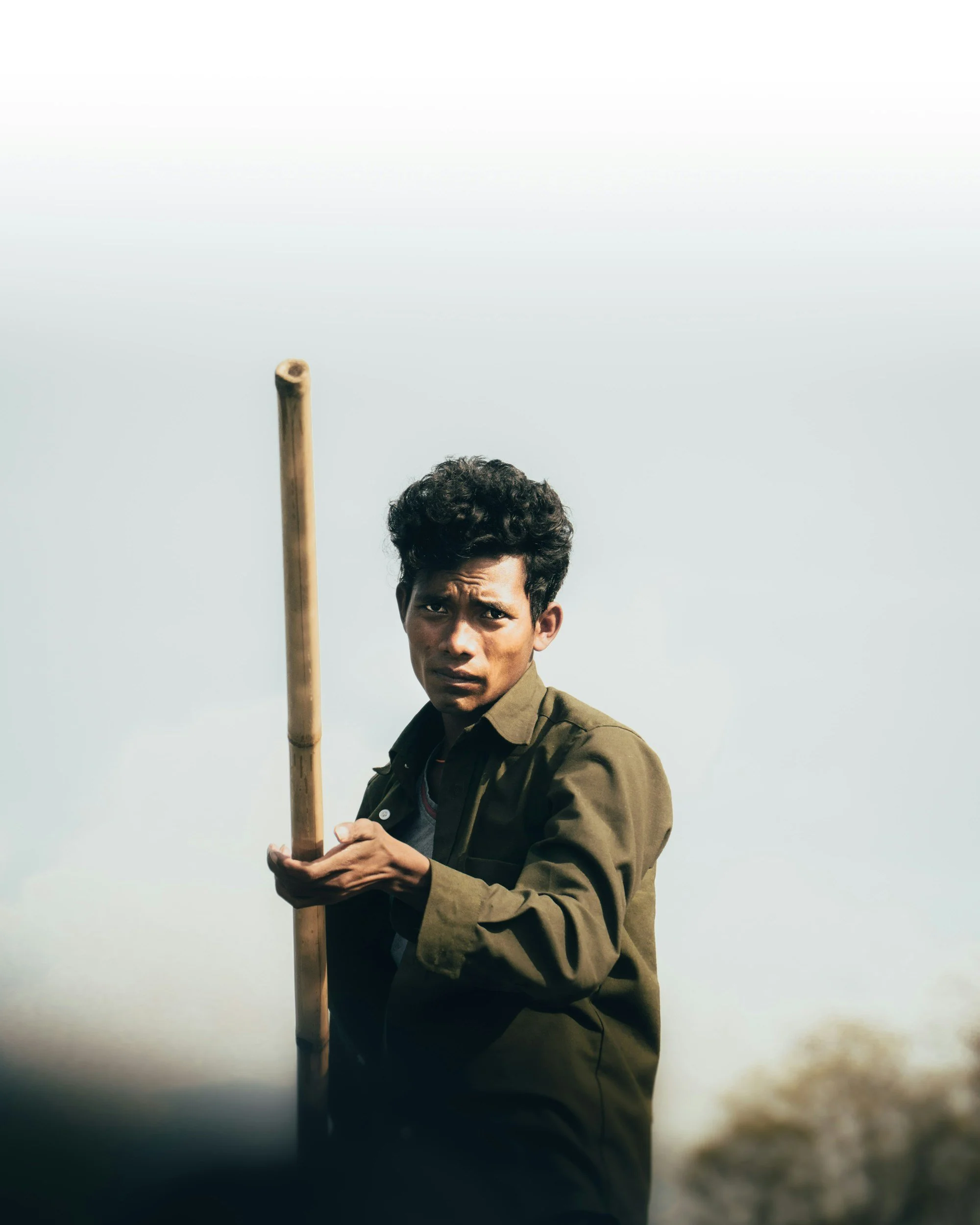
Bojutsu - the study of the long staff
Jojutsu - the study of the short staff
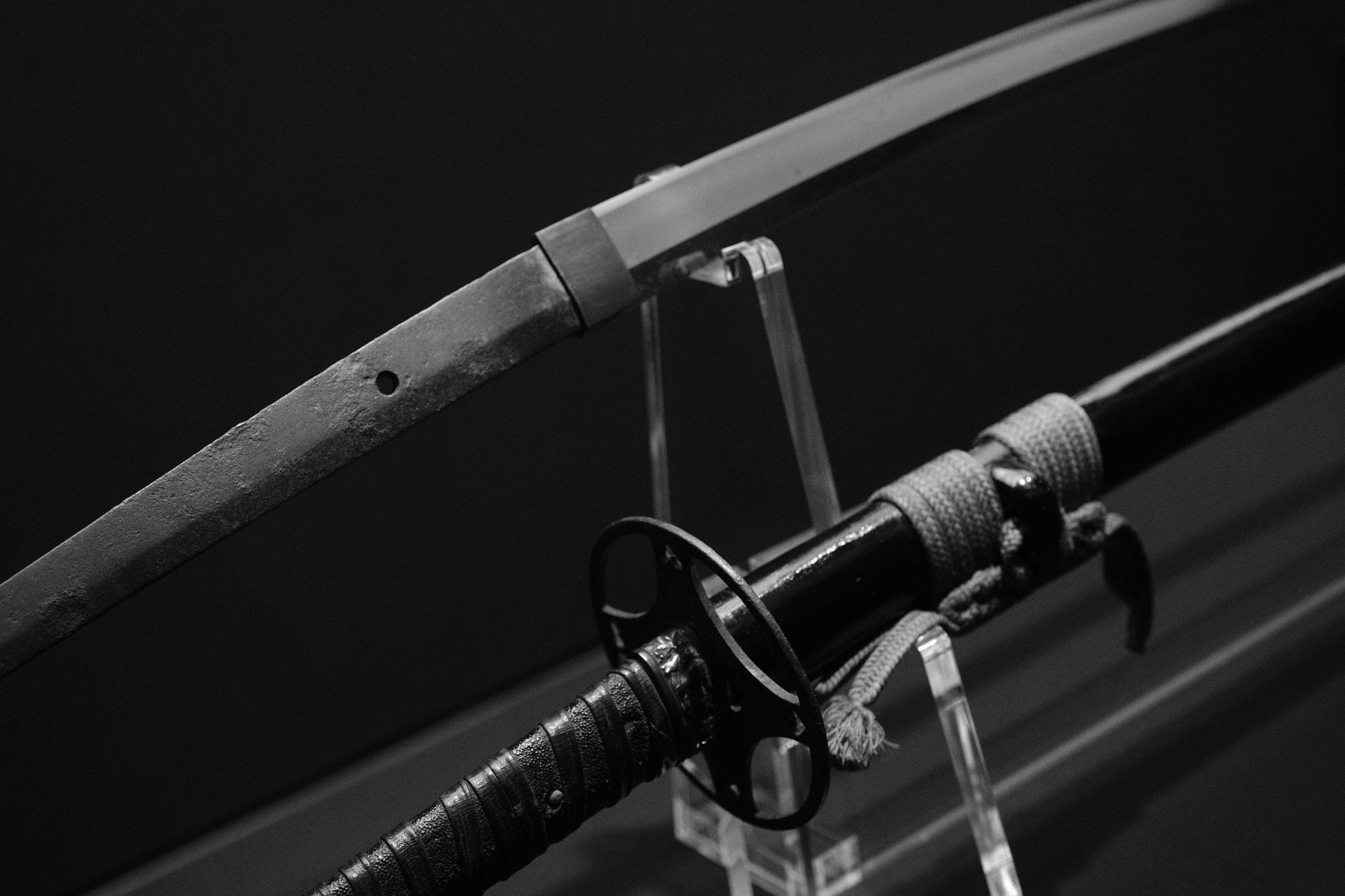
Kenjutsu - itself a term comprising the use of (in many styles) the sword.
Others
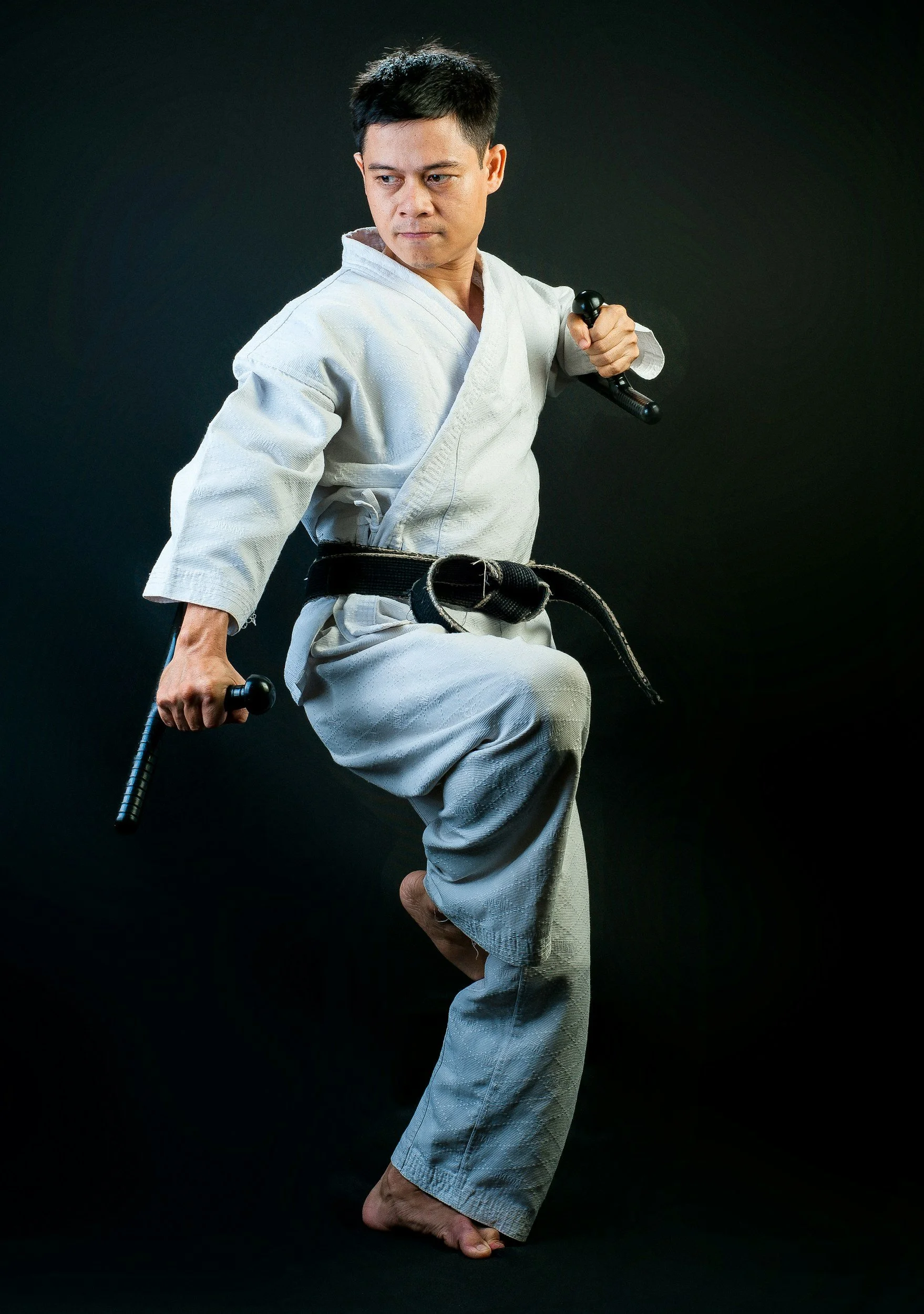
With practice and experience, students will also learn about the fundamentals of the use of the sai, tonfa, ulisi, eku, Chinese broadsword and kama.
I leave my students to independently learn about the history of these arts as a way to enhance their own practice and understanding of the artform. The path is a long and winding one, intertwined with the political and military landscape of ancient Japan, and it’s cycles of banning weaponry from the common class. I provide my students with reading material and resources to get them started on this journey.
Looking for more information on these implements specifically? See our Kobudo Weapon Specification Guide
All Kobudo Implements
basic handling & dexterity
1 handed weapons
2 handed weapons
core postures & positions for offense & defense
strikes
blocks
kata
self defense
partner based timing and coordination drills
partner based contact training
Kobudo Content Focuses on
Bokken (Wooden Practice Sword)
Cutting and blocking basics
Kata “the cuts”
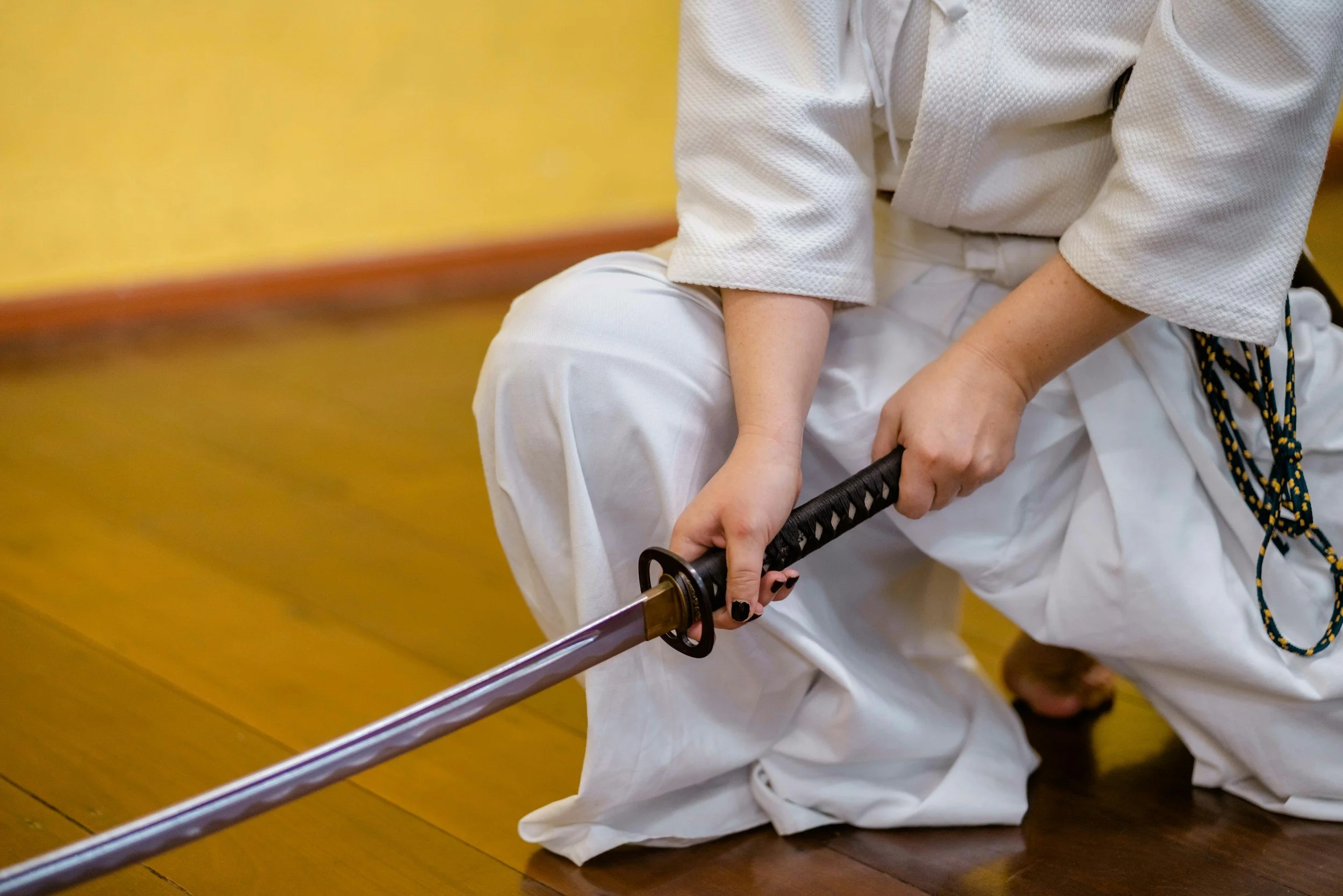
The art of drawing the sword
the basics of the art of kendo
The Benefits of Kobudo in a Modern World
I regularly hear the feedback from families with a cursory interest in kobudo that they are not sure of the purpose of Kobudo or “ancient weaponry” training in an ever “safer” and more modern world. How is it after all that learning to move your body with ancient farming implements, sticks, and swords can benefit the modern day martial arts student?
Beyond the immediate applicable answers of defending against an attacker with a weapon, a wild animal on a hike in the forest with a simple walking stick, or an intruder in the home with a broomstick, the more in-depth answer to this question comes in the form of the following thought experiment:
Is there any value in learning to control an implement outside your body?
This can come in the micro and macro scale of life, where this pragmatic question can force introspection into the benefits of learning to use kitchen tools safely like knives and scissors, to more macro scale domains of sport where students and their families often look for their child to excel at golf, baseball, hockey ,etc. all domains requiring the understanding, skill, and ability to express their body’s energy into an implement outside their body.
Learning these carryover skills in the safety of a kobudo class can have practical and hidden positive translational effects into the life, health, and sport performance of the student enrolled in kobudo.
Beyond the germane, the ability to deeply understand the power that an implement outside your body can have when used for “good” or defense, or in historical context, as an implement of war to domineer and express force at scale can be deeply moving, motivational and educational. Understanding how an Okinawan farmer could help keep warlords at bay with the implements used to till his farmland, or how a small but well equipped army could overpower a vastly superior force in terms of manpower with the use of vastly superior weapons technology can be enlightening for students interested not only in martial arts history, but the history of war, the world, or mega-politics.
Kobudo training helps the student understand that with the right skill, practice, and technique, that physical size matters less than one might think - where a well trained teenager could keep an intruder at bay with the use of a staff as opposed to relying on his hands and feet in a similar situation. Kobduo training magnifies the understanding and impact of power projection as it comes to defending oneself and can help the student understand that there are many more factors at play in a self defense situation than those that come to mind for most upon initial reflection.
How Kobudo Compliments Your Karate Training
As discussed in the article “The Benefits of Training Kobudo in a Modern World”, training in the art of Kobudo is not only beneficial independently - but the skills and training has many positive synergistic effects for the karate practitioner as well. A simple example is illustrative.
When training with any of the 2 handed implements like sai or tonfa, the kobudo practitioner learns blocks, strikes, etc. appropriate and specific for that weapon. It turns out that either as a consequence of the historical development of these arts, or a practical by=product of the requirement to defend oneself, or one’s property, that there are only so many ways one can perform a a movement to protect onceself with a low or high block. This means that it turns out the manner in which to perform a high block with one’s empty hands, or with a tonfa are remarkably similar! This means not only to kobudo practitioners who have karate training have an advantage in terms of speed of understanding, recall, and retention of kobudo techniques, but that the barrier to learning new techniques with these weapons is much lower than most anticipate when they start training as the skillset from the empty hands carries over into kobudo training.
This sort of practical re-purposing of existing effective and practical techniques has been seen time and time again in human history from manufacturing, to farming, to the martial arts. through a passing down or “blueprinting”* It turns out that in an example like farming, there might be hundreds of ways a plant COULD be grown, but only a few have been effective, and that knowledge as a function of its practical application and benefits is either quickly replicated, copied, or disseminated across geographical boundaries. The same can be said about animal and crop domestication where it turns out chickens make great domesticates but giraffes do not!** The high block (as an example) in martial arts here is emblematic of this process, where it turns out there might be hundreds of ways you COULD block your head, but only a few were proven effective enough or practical enough (or both) to be employed in both the karate and (in this example) tonfa uses.
In addition, needless to say, as a result of the countless repetitions of blocks, strikes, stances completed in kobudo, the karate practitioner benefits from not only improved skill in the art of kobudo, but also, carryover benefits to their karate technique as well.
The enhancement of understanding of how to use the techniques in kobudo from both an offensive and defensive perspective better arms the karate practitioner with the perspective of how a user of a weapon would use an implement in an attempt to harm in a self defense situation, making the karate practitioner more aware, more confident, and more prepared should they find themselves in a situation forced to defend their life or their family from an assailant with a weapon.
*Term coined by Mr. Thomas Sowell in his work “Economic Facts and Falicies”
** See work by Mr. Jared Diamond - “Guns Germs and Steel” for more
Frequently Asked Questions
Coming soon!
-
No. Students must be enrolled in the karate program, and achieve green belt before beginning kobudo training.
I expect students to be able to have a basic understanding of how to move and control their own body with their empty hands before progressing to controlling something outside their body (aka a kobudo implement!)
-
We do not publish a comprehensive list, but please see our kobudo weapon specification guide to get started.
-
No. Please see our beginners guide to kobudo here to get started.