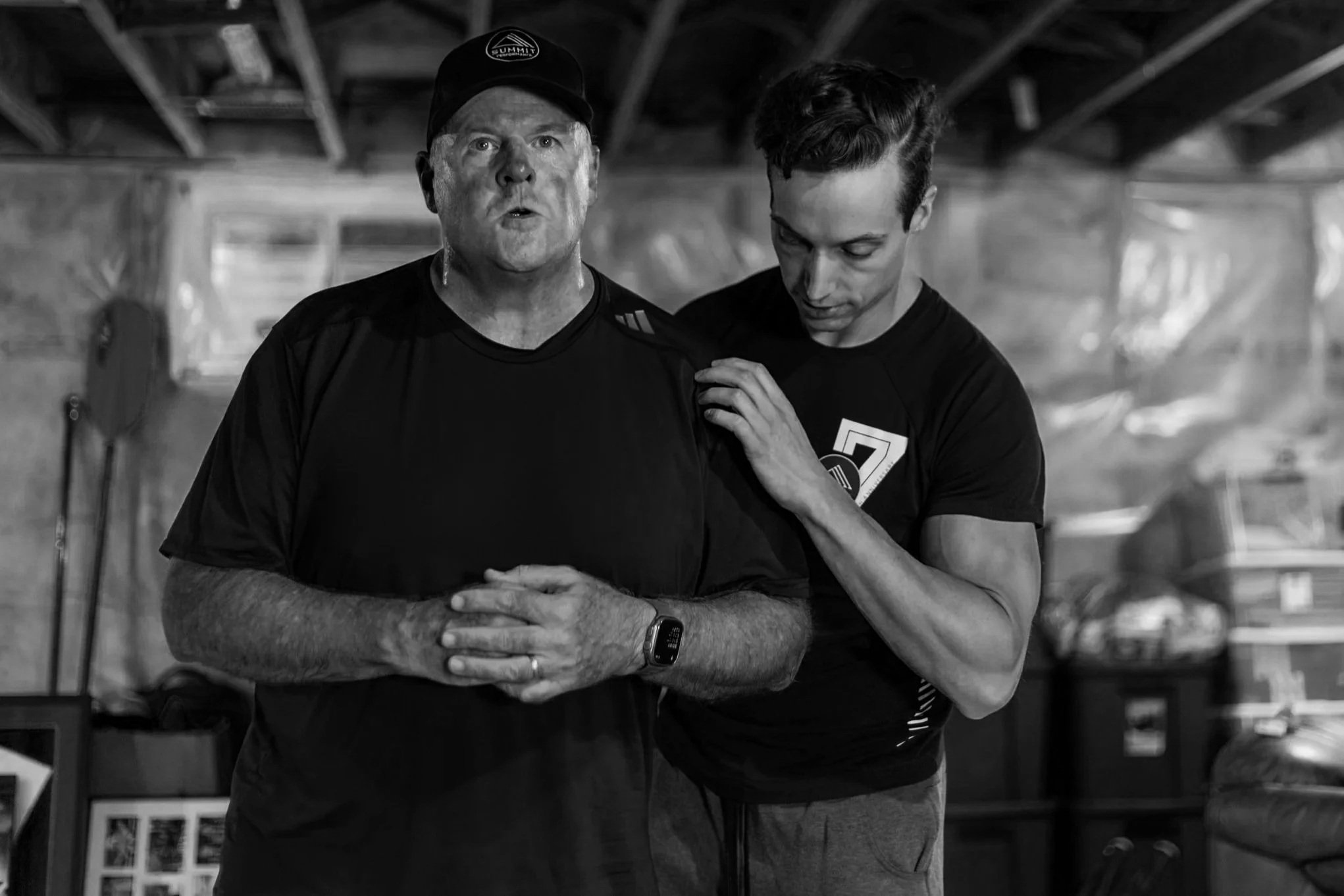
Solving for Trainer Quality & Education with Summit
The Title “Personal Trainer” Does Not Tell You Enough
Becoming a personal trainer is easy. There is no legal requirement for someone to hold a specific certification, degree, or education background so they can say "Hey, I'm your personal trainer today." This means two people can advertise themselves as personal trainers, while having immensely different levels of education, specialized training, and professional experience.
This means your trainer might be a teenager who completed a weekend long personal training course - or someone fresh out of a kinesiology program. That’s not us.
When investing in your physical health, the qualifications of the person guiding you should matter just as much as the program itself. So, when you’re is investing your time, money, and physical health into training, what level of expertise are you actually paying for?
A Generic Workout May Not be Enough
Only 46.2% of Canadian adults meet the recommended amount of moderate-to-vigorous aerobic physical activity each week.
Only 13.6% meet all components of Canada's 24-Hour Movement Guidelines, and only 52.2% report performing muscle-strengthening activities at least twice per week.
This suggests that the challenge is not simply that people need more information about exercise. Many people may need help understanding how to structure, progress, and sustain an effective exercise program.
A generic program cannot automatically account for:
Training history
Current fitness level
Injury history
Mobility limitations
Exercise technique
Recovery capacity
Age-related changes
Individual goals

Don’t ask “What exercises should I do?”
Ask, “What should I be doing, why should I be doing it, and how should my training change over time?”
What Professional Expertise Actually Changes
Physical activity looks different at every age and stage of life. Canada's physical activity guidelines recognize the importance of aerobic exercise, muscle strengthening, and balance training, particularly as we get older.
At Summit, we adapt these principles to each client's individual needs. Whether you're an athlete looking to improve performance, an adult building strength and endurance, or an older individual maintaining mobility, balance, and independence, we develop programs that support your physical goals and long-term health.
This reinforces the idea that effective training is not simply: “Do these exercises.”
A quality training process should involve: Assess → Prescribe → Coach → Monitor → Adapt → Progress
The value of professional training is therefore not simply receiving a list of exercises. It is having someone make informed decisions about what the client should do, how they should do it, and how the program should change over time.

Summit's Differentiating Expertise
Physiotherapists are experts in prescribing exercise for those with present or former injuries, health conditions, or chronic diseases. This means if you have any of these, considering hiring either a physiotherapist OR a personal trainer who is also a physiotherapist should be a strong consideration.
For Personal Training, holding the Certified Strength and Conditioning Specialist (CSCS) credential through the National Strength and Conditioning Association (NSCA) is considered the gold standard international. The CSCS has formal educational eligibility requirements, including a bachelor's degree or higher degree, or an accepted terminal degree in physical therapy or chiropractic medicine for candidates in Canada along with practical hours of education. those who meet these requirements can then attempt a test to qualify. Even once they qualify they need to meet continuing education hours to maintain their certification.
This creates a clear point of differentiation when comparing personal-training options that most trainers cannot meet, even if they want to.
So, while a personal trainer might not NEED to be qualified, they certainly can be. So if an NSCA certified CSCS, who is also a physiotherapist and at doctoral level of education from the #1 sports science university in Japan - look no further than Summit Performance.
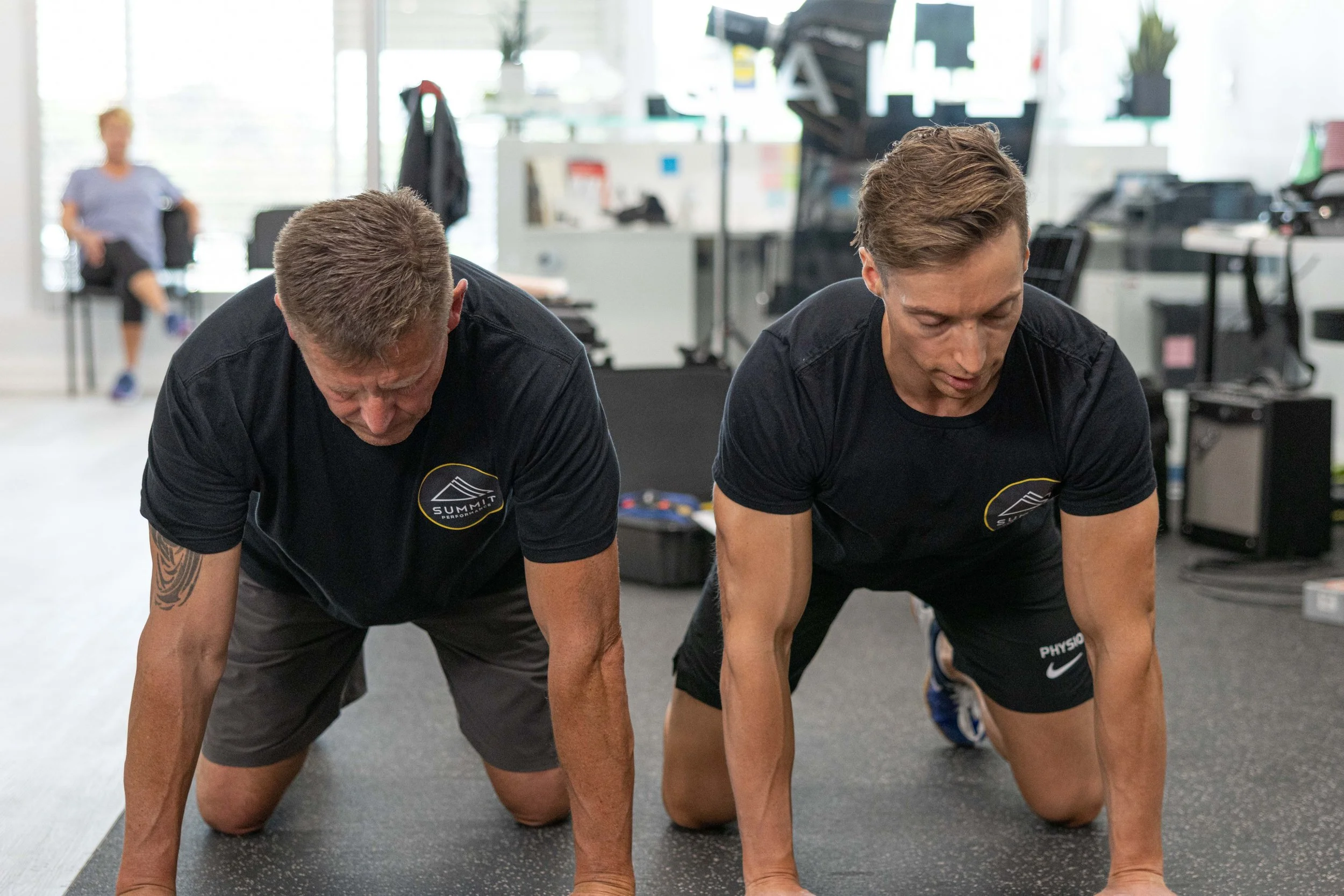

At Summit, the goal is to bring the highest standards of educational and experiential excellence to the training process.
The value of Summit Performance isn't simply providing you with a workout. It's having the professional expertise to determine what your body needs, how to train effectively, and how your program should progress over time.
In an industry where the title "personal trainer" doesn't necessarily communicate someone's level of expertise, Summit takes a different approach. By combining graduate-level physiotherapy education with advanced strength-and-conditioning qualifications, including the NSCA Certified Strength and Conditioning Specialist (CSCS), we bring a deeper understanding of human movement, physical health, and performance.
You're not just paying for someone to tell you what exercises to do. You're investing in the knowledge, experience, and professional judgment behind every decision. That's the Summit difference.
The Summit Value Proposition