

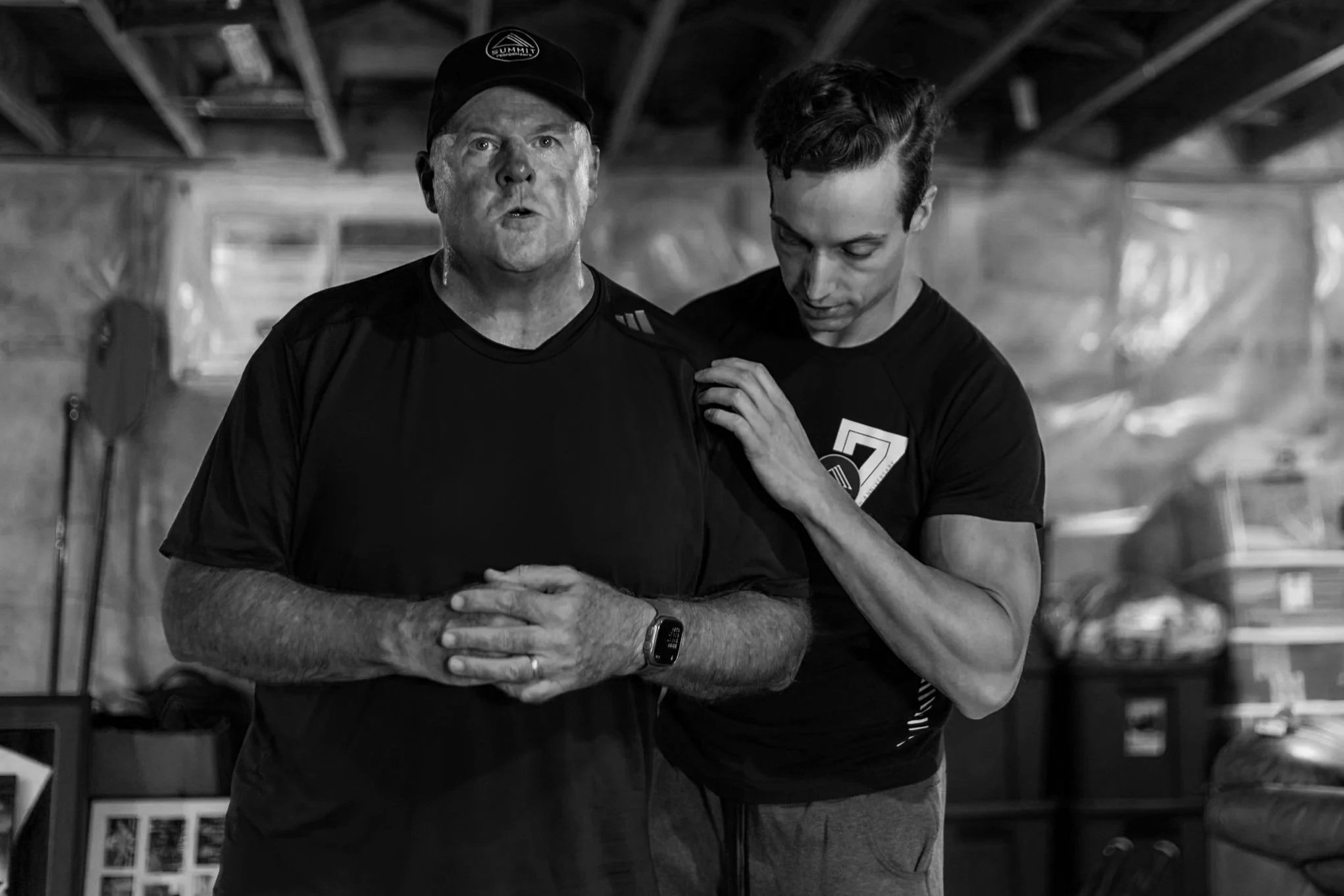
Solving for Trainer Quality & Education with Summit
My starting point is that personal training is not a regulated occupation in Alberta. Certification is not legally required to work as a personal trainer, and educational requirements can vary.
obviously when you were in AB, AI generated, so double check not only AB.
This means that two people can both call themselves personal trainers while having very different levels of education, experience, and professional preparation.
The problem for the buyer is that the title “personal trainer” alone does not communicate the level of expertise they are receiving.
This creates an important question:
“When someone is investing their time, money, and physical health into training, what level of expertise are they actually paying for?”
The Problem: The Title “Personal Trainer” Does Not Tell You Enough
The Consequence: A Generic Workout May Not Be Enough:
Only 46.2% of Canadian adults meet the recommended amount of moderate-to-vigorous aerobic physical activity each week.
Only 13.6% meet all components of Canada's 24-Hour Movement Guidelines, and only 52.2% report performing muscle-strengthening activities at least twice per week.
This suggests that the challenge is not simply that people need more information about exercise. Many people may need help understanding how to structure, progress, and sustain an effective exercise program.
A generic program cannot automatically account for:
Training history
Current fitness level
Injury history
Mobility limitations
Exercise technique
Recovery capacity
Age-related changes
Individual goals

Don’t ask “What exercises should I do?”. Ask “What should I be doing, why should I be doing it, and how should my training change over time?”
This reinforces the idea that effective training is not simply: “Do these exercises.”
A quality training process should involve: Assess → Prescribe → Coach → Monitor → Adapt → Progress
The value of professional training is therefore not simply receiving a list of exercises. It is having someone make informed decisions about what the client should do, how they should do it, and how the program should change over time.
What Professional Expertise Actually Changes
Canada's physical activity surveillance distinguishes between different types and intensities of activity, including aerobic activity, muscle-strengthening activity, and balance-challenging activity for older adults.
great - how does summit help with this for all ages/demographics?
Summit's Differentiating Expertise
This is where Summit's educational and experiential background becomes important.
Mike is a physiotherapist and holds the Certified Strength and Conditioning Specialist (CSCS) credential through the National Strength and Conditioning Association (NSCA).
The CSCS has formal educational eligibility requirements, including a bachelor's degree or higher degree, or an accepted terminal degree in physical therapy or chiropractic medicine for candidates in Canada.
This creates a clear point of differentiation when comparing personal-training options that most trainers cannot meet, even if they want to.
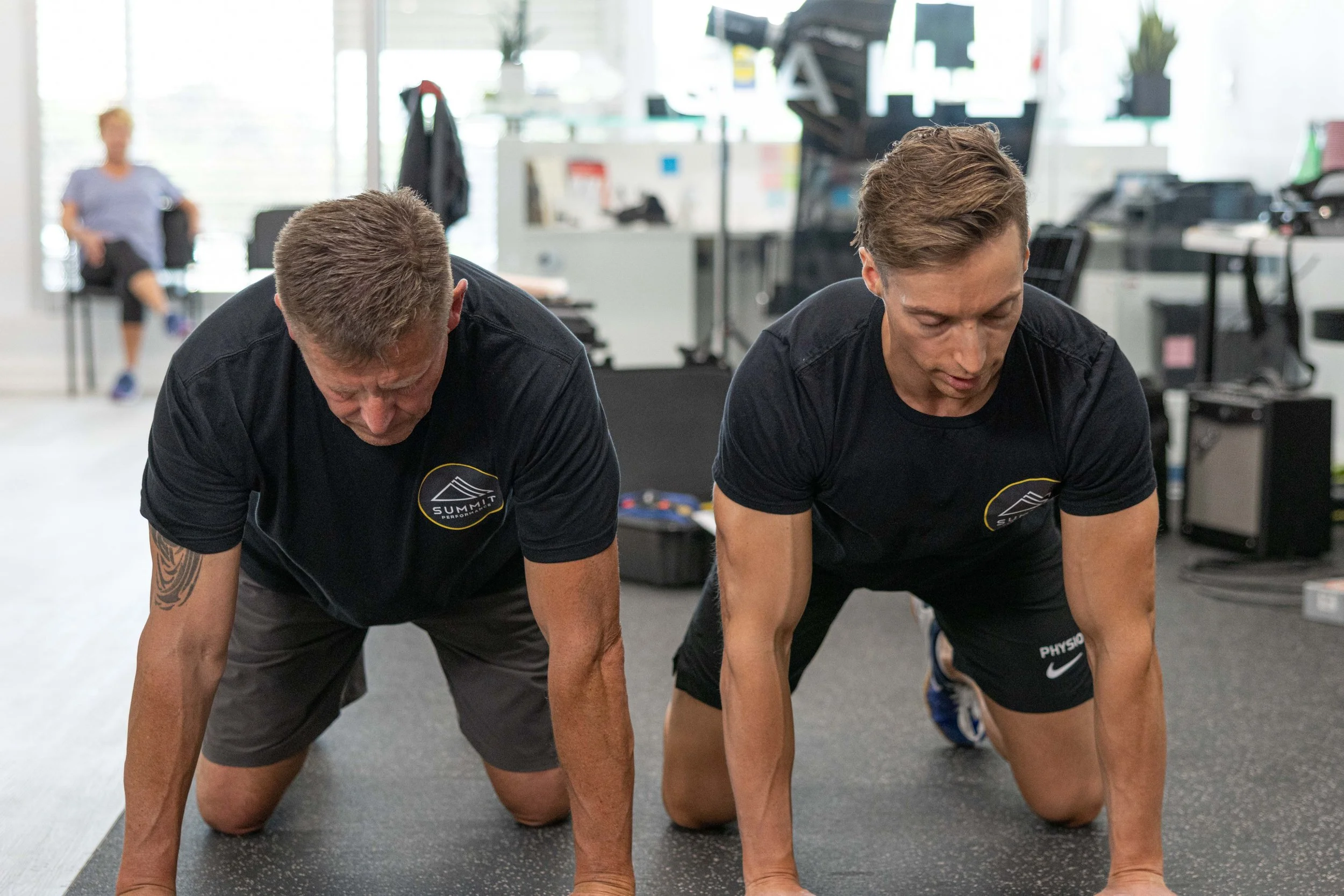
At Summit, the goal is to bring the highest standards of educational and experiential excellence to the training process.
The Summit Value Proposition
The core story is:
Personal training is an unregulated industry → the title “personal trainer” does not communicate the level of expertise a client is receiving → generic programs cannot account for individual differences → effective training requires ongoing assessment, decision-making, and adaptation → Summit differentiates itself through physiotherapy expertise, CSCS strength-and-conditioning expertise, and an individualized process of assessing, prescribing, coaching, monitoring, adapting, and progressing training.
The value of Summit is not simply providing someone with a workout.
It is providing a higher standard of professional expertise to help determine what the client should do, how they should do it, and how their training should progress over time.
Summit stands out by combining graduate level physiotherapy education, advanced strength-and-conditioning expertise through the NSCA CSCS, and individualized assessment and programming.
